











Menu changes can create a difficult gap between what a café wants to serve and what it can confidently make today. A new dish may need ingredients that have not arrived. A price change may bring renewed attention to an item with limited stock. A supplier delay, a busy service or an unexpectedly popular special can all turn a listed dish into a customer disappointment.
For independent cafés, café ingredient availability menu planning works best when menu decisions and stock information are considered together. The aim is not to make every menu item permanently available. It is to make clear, timely decisions: what can be sold, what should be limited, what needs a substitute and what should be marked unavailable before a guest tries to order it.
A repeatable process helps the team act calmly during change. Start by understanding the ingredients behind each item, check what is on hand and incoming, set practical availability rules, update the customer-facing menu and review what happened after service.
1. List the ingredients behind every menu item
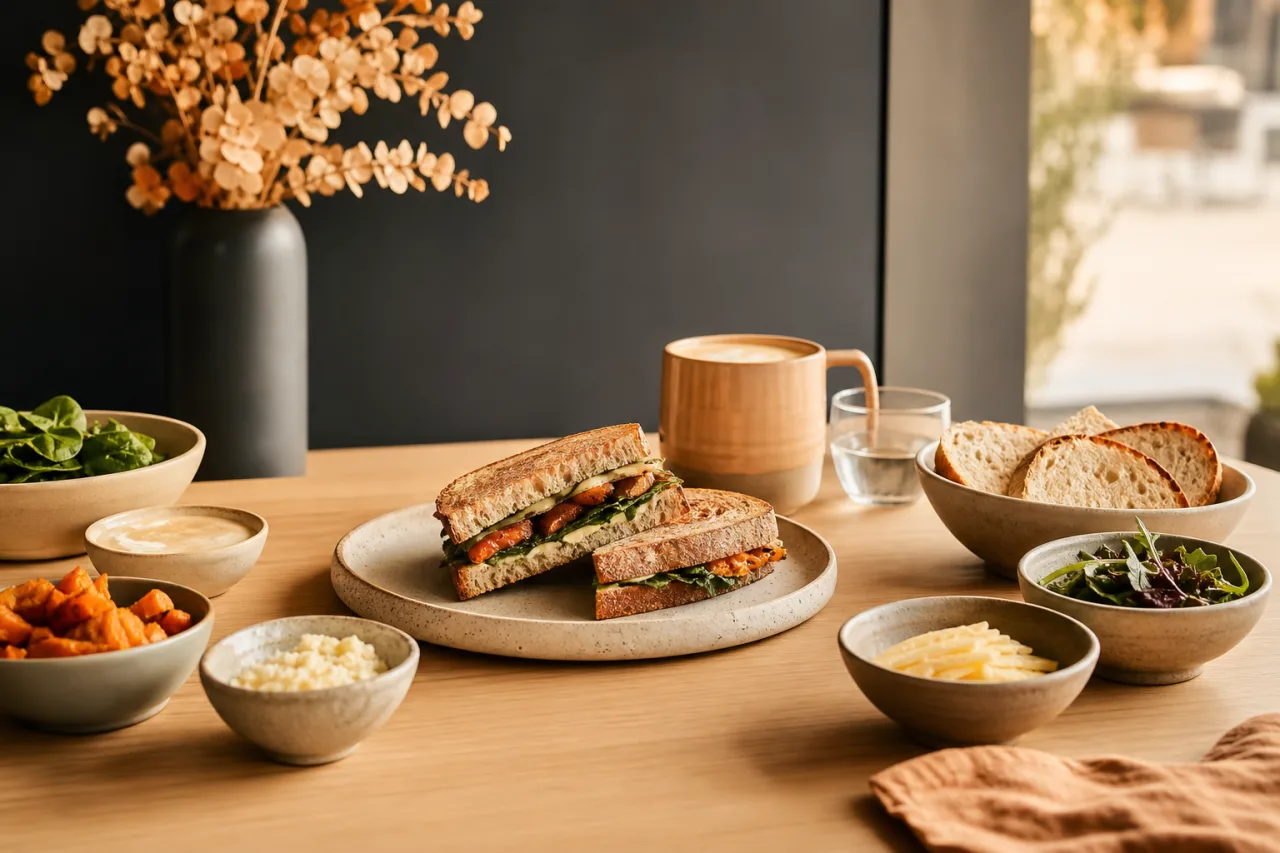
Begin with the menu itself. Each dish, drink or special should have a short ingredient list that identifies the components that determine whether it can be served. For a sandwich, this may include bread, filling, cheese, salad and sauce. For a seasonal drink, it may include the base, milk or alternative milk, syrup, garnish and ice. The list does not need to become an elaborate technical document to be useful. It needs to make dependencies visible.
Pay particular attention to ingredients that are shared across several items. A shortage of one pastry filling may affect a single product; a shortage of milk, a popular bread or a core sauce may affect much more of the menu. Shared ingredients deserve early attention because one decision can prevent several items from becoming unexpectedly unavailable.
It is also useful to distinguish between ingredients that are essential and those that can be substituted. A dish may remain true to its description only with a particular ingredient. In other cases, a planned alternative may allow the café to continue serving it, provided the menu information is updated accurately. This distinction gives managers a practical basis for deciding whether to keep, change or pause an item.
Make the list useful at service speed
Organise ingredient lists around the choices staff actually need to make. Rather than searching through a long menu document, the team should be able to see which ingredients support a menu item and which shortages affect it. When a menu change is approaching, review the new and changed items first, then check any existing items that use the same stock.
This is the foundation of sound dish availability planning. Without a clear view of the ingredients behind an item, a café can only discover a conflict after orders have started.
2. Check current stock and incoming deliveries
Once the ingredient dependencies are clear, compare them with what the café has now and what is expected to arrive. Current stock tells you what can be prepared immediately. Incoming purchases tell you whether a shortfall may be temporary and whether a planned menu item should wait until a delivery is received.
A stock record is most valuable when quantities and movements are kept current. With Inventory & purchasing, cafés can control stock, warehouses, lots, suppliers and purchasing while keeping movements recorded. That creates a clearer place to check what is available, what is on its way and what may need replenishing, without relying solely on memory or scattered notes.
For each menu item under review, ask a few direct questions:
- Do we have the essential ingredients on hand for the expected service period?
- Which ingredients are low because they support several popular items?
- Is a purchase already expected, and does its timing support the planned menu change?
- Would serving the item reduce stock needed for another important menu item?
- Is there an agreed alternative ingredient, or should the item be paused?
These questions turn a vague stock check into a decision process. They are especially helpful when introducing specials, changing recipes or adjusting prices, because those changes can alter demand and the pace at which ingredients are used.
3. Decide when an item should be unavailable
Marking an item unavailable is not a failure. It is a clearer customer experience than accepting an order and then explaining that the dish cannot be made. The best time to make the decision is before the customer reaches the counter, not during the conversation.
Set simple internal triggers for taking an item off the menu. For example, an item should be unavailable when an essential ingredient is gone, when remaining stock is needed for a priority item, or when the team cannot make the dish as described. A temporary pause can also make sense when the expected delivery has not yet arrived and there is no confirmed alternative.
Separate availability decisions from replenishment decisions. Ordering more stock may be the right next step, but it does not make an item available today. Likewise, incoming stock is useful information, but it should not be treated as usable until it is actually received. This small discipline prevents overly optimistic menus.
Use clear categories rather than uncertain messages
A café team benefits from a small set of agreed statuses: available, limited, temporarily unavailable and returning after delivery. “Limited” can be useful internally when the team wants to sell remaining portions carefully, while “temporarily unavailable” is the clearer public message once the café cannot reliably fulfil orders. Consistent language reduces confusion between the kitchen, counter staff and customers.
Availability is a promise the café can keep at the moment a customer chooses an item.
4. Communicate changes through the digital menu
Once the decision is made, the customer-facing menu needs to match it quickly. A printed menu can leave customers looking at items that are no longer possible to order. A digital menu gives a café a more direct way to keep information aligned with service.
QR Menu lets cafés publish a digital menu behind a QR code and update dishes, prices and availability without reprinting menus. This is particularly practical during menu changes: when an ingredient runs out, the café can update availability; when a delivery restores an item, it can be shown again. Customers can see a clearer menu on their mobile device without needing to install anything.
Keep updates specific and readable. If an item is unavailable, mark it as such rather than leaving staff to explain it repeatedly. If a price has changed, update the displayed price at the same time as the wider menu change. If an item returns, check that its description still reflects the ingredients currently being used.
This connection between stock decisions and menu communication supports better café stock and menu management. It does not remove the need for staff communication, but it gives the team and guests one clearer reference point.
5. Review availability after every service
The final step is a short review after service. Note which items became limited or unavailable, which ingredients caused the issue and whether the menu was updated at the right time. This review can be brief, but it should be regular enough to reveal patterns.
Look for recurring questions. Did a popular special use stock needed elsewhere? Did an incoming delivery arrive later than the menu plan assumed? Did a menu item repeatedly sell out earlier than expected? Did staff learn about a shortage before the digital menu was changed? Each answer can improve the next menu change.
Over time, the café can plan with more confidence. Ingredients that frequently affect several dishes can be checked earlier. New items can be introduced with a clearer view of their stock impact. Temporary availability changes can be communicated before they create friction at the counter.
Conclusion: make availability part of menu planning

Effective menu item availability is built through a straightforward routine: map the ingredients behind each dish, check current and incoming stock, decide early when an item cannot be served, update the menu customers see and learn from each service. This helps independent cafés protect trust while making menu changes more manageable.
See how QR Menu for clear menu updates and Inventory & purchasing for current stock records can support clearer availability decisions in your café.